A unique karate outfit, blending traditional aesthetics with modern functionality, is introduced. Designed for both performance and style, this ensemble offers a distinctive look for martial arts enthusiasts. The key features include lightweight materials, strategic padding, and a tailored fit, ensuring comfort and freedom of movement during intense training sessions or competitions. Its sleek design makes it a popular choice for those seeking to stand out while practicing their karate skills.
"Unveiling the iconic attire of martial artists, this article explores the purpose and significance of karate uniforms, affectionately known as 'karate outfits' or 'gi'. Beyond fashion, these garments hold a rich history and practical value. From their modest beginnings to their role in promoting discipline and respect, we delve into the essential components and styles that define the traditional karate outfit, providing insight into its global appeal and cultural impact."
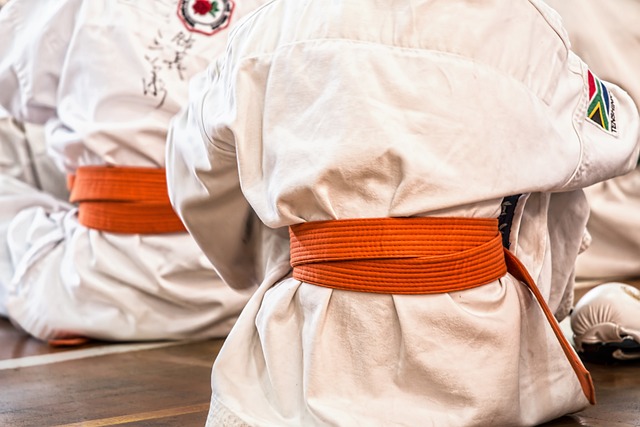
In the world of karate, the traditional uniform, often referred to as a karate outfit or gi, is an essential component of the practice and sport. This distinctive attire is more than just clothing; it represents discipline, respect, and the wearer's commitment to the martial art. The term 'gi' originated from the Japanese word meaning 'clothing', reflecting its cultural significance.
The karate gi is typically made of lightweight cotton or a breathable blend, designed to allow freedom of movement for powerful kicks and blocking techniques. It consists of a jacket (dobori) and pants (kuzashimai), tied together with an obi (belt). The colors vary, but traditional brown or black is common, each carrying its own symbolism. The outfit's design emphasizes functionality, comfort, and modesty, allowing practitioners to focus on their skills and techniques without distraction.
In the realm of karate, the traditional uniform, often referred to as a karate gi or dojokun, is an iconic and essential component. This modest yet versatile garment has evolved over time, symbolizing the discipline and commitment of practitioners worldwide. When choosing a karate outfit, whether for training or competition, selecting the right material, fit, and style becomes paramount, ensuring comfort, freedom of movement, and adherence to the sport's rich heritage.
The karate uniform, or gi, has evolved beyond its Japanese origins, adapting to diverse cultural contexts while preserving its core principles. Today, styles range from traditional to modern, with innovations in fabric technology enhancing performance. For instance, advanced breathable materials mimic the natural cooling effect of cotton while offering superior durability. This global diversity enriches the martial arts community, reflecting the unique interpretations and practices of karate schools worldwide. The uniform remains a powerful symbol of dedication, discipline, and the universal language of respect within the martial arts community. Unveiling Martial Arts Uniforms: Beyond Karate's Karate Outfit Called