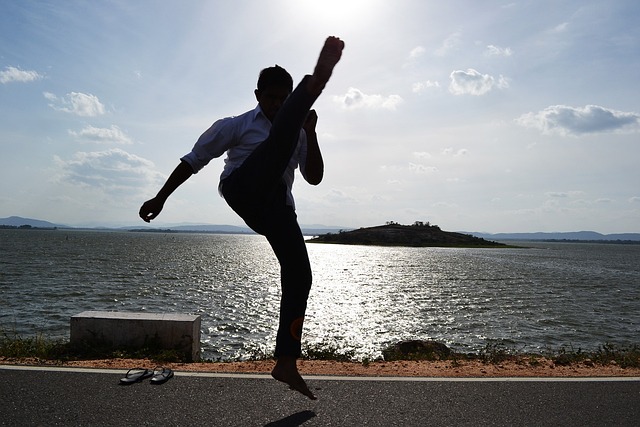
The traditional karate outfit, or gi, is a symbol of martial art values and discipline, made from lightweight, breathable cotton or blends. It consists of a jacket with grip-enhancing kesi stitches and loose-fitting pants that enable full range of motion for various techniques, making it ideal for sparring and training.
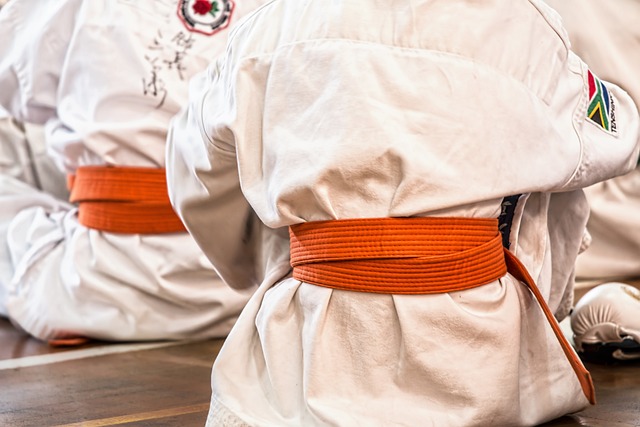
The traditional karate uniform, often referred to as a gi, is an iconic and essential part of this martial art. It's more than just clothing; it represents the values and discipline of karate itself. The karate outfit is designed for functionality, allowing full freedom of movement during training and competition.
Crafted from lightweight and breathable material, typically cotton or a blend, the gi consists of two pieces: a jacket (dobori) and pants (hakama). The jacket features a series of vertical stitches known as kesi, which not only add to its aesthetic appeal but also serve as grip points for partners during sparring. The pants are loose-fitting and tailored to accommodate a range of movements, enabling practitioners to kick, block, and strike with ease.
While the traditional karate gi remains iconic, modern iterations have introduced innovative materials and designs. Today, karate uniforms are crafted from advanced fabrics like polyester blends, offering superior moisture-wicking properties and faster drying times. This evolution ensures practitioners remain comfortable and focused during intense training sessions and competitions. Additionally, modern gis often incorporate subtle branding and stylish details, appealing to a new generation of karate enthusiasts. This blend of tradition and modernity has broadened the appeal of karate, attracting a diverse range of practitioners worldwide. For more on the latest karate outfit trends, explore our related article. Unveiling the Karate Outfit: Beyond the Traditional Suit